Found Ferret

There is a ferret in my back yard/under my deck/in my garage!

Several times each year the Manitoba Ferret Association will get a call from a concerned home owner concerning a lost ferret hiding in their garage, under their deck or up a tree! I am not here today to give you a detailed history lesson about the animals belonging to the Mustelid  family, I simply want to give you a quick reference.

Please note our domesticated ferret does not climb trees! They have no sense of depth perception and would hurt themselves; Fishers, Martins, weasels do climb trees.

The wild cousins of the domesticated ferret are:

Minkmink2

MINK

Has a small white patch under the chin, dark brown, or shiny black coat – lives along the river banks.

240px-Fisher_(animal)

FISHER

Very efficient climber, solid colour.

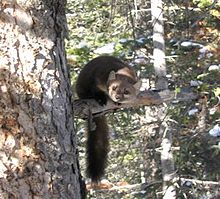
Pine martin

PINE MARTIN

Lighter in color and smaller than the fisher.

Treed marten

TREED MARTIN

weasel

weasel in winter

weasel3

WEASEL

Weasel or Ermine as it is referred to in the Winter.

JaceLokiTurnip

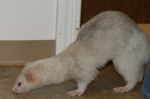
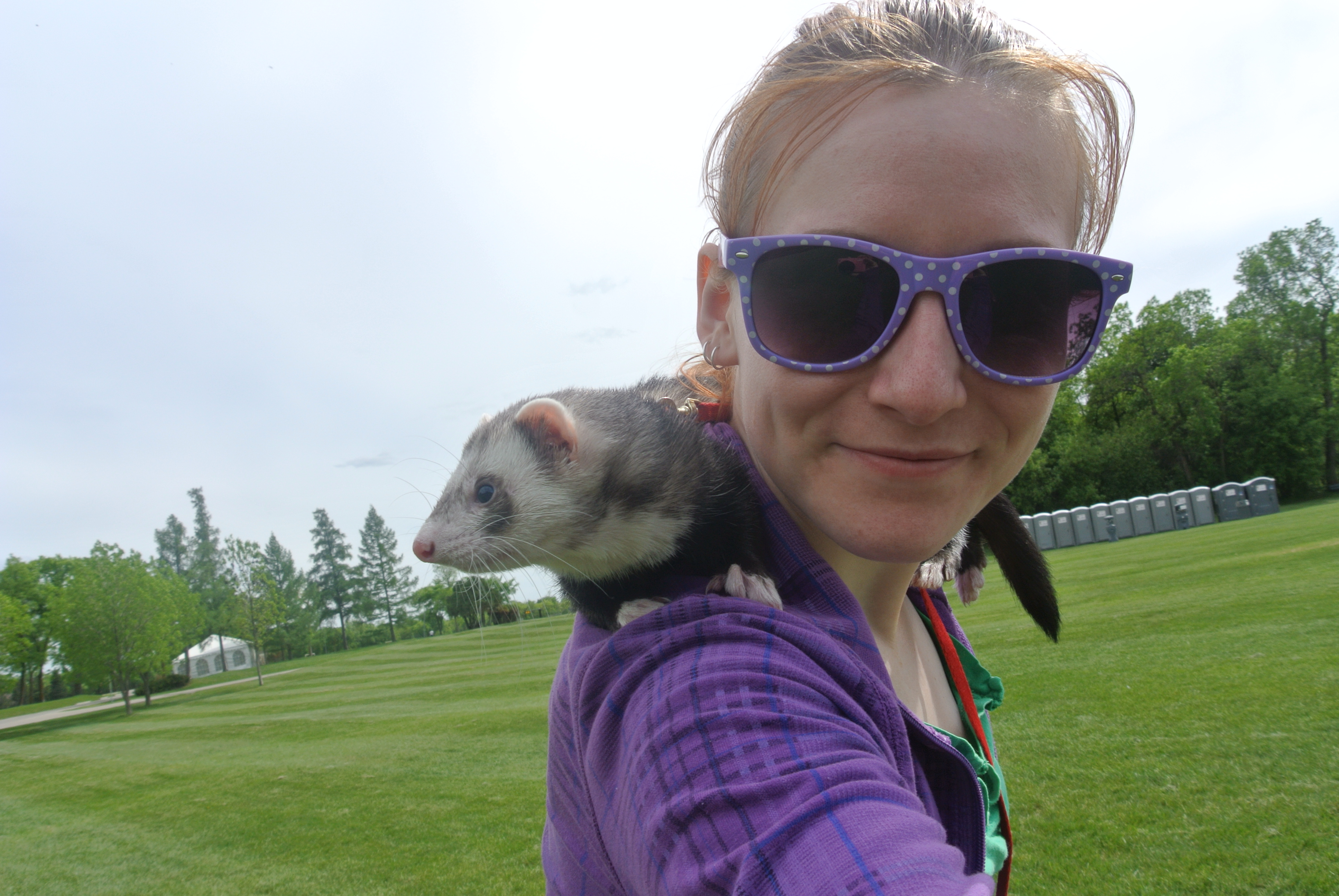
DOMESTICATED FERRET

Last but not least our domesticated ferret which comes in all hues of brown, black, even in white.  So it is understandable to non ferret owners how you can make a mistake.

**Photos of the wild animals are from Wikipedia. Ferrets pictures are from Zoë Rose and Deb K.

Ferret First Aid Kit

It is highly recommended to always have a first aid kit on hand so you will be able to take care of your ferret should the situation arise.

Below is a list of required items to keep on hand;

  1. Emergency phone numbers; make sure you have the vet information easily accessible and any other contact needed.
  2. Ferret photos/vaccination records; it is also a good option to have photos of each ferret and records of vaccination on hand.
  3. List of all medications your ferret is currently taking.

Emergency food ideas;

  1. Jars of meat baby food-chicken with broth or chicken cooked/ground down in food processor/frozen in butter tubs/plastic containers (see Duck Soup)
  2. Light Karo syrup or honey (for quick calorie boost)
  3. Pedialyte or gatoraid (for de-hydrated ferret or just to keep system flowing)
  4. Can of Royal Canin Recovery canned wet food (you get this from your vet) easily digested food for the sick monsters
  5. A probiotic such as Marshalls probiotic
  6. Canola or olive oil (something to help move bad indigested stuff through)
  7. Petromalt or plain Vaseline  for hairballs use for everyday or every other day

Cleaning, Lotion or bandages;

  1. Calamine Lotion for balding ferrets, (relieves itchy skin and minor irritations from scratching)
  2. Hydrogen Peroxide (for cleaning cuts)
  3. Ear cleanser
  4. Eye wash/rinse
  5. Gauze pads Gauze wraps
  6. Washcloths
  7. Adhesive bandage tape (cloth tape holds the best)
  8. Styptic Powder or flour (for bleeding nails)
  9. Antibiotic ointment such as neosporin (for soothing and protecting cuts and scrapes)
  10. Bene-bac (for replacing beneficial bacteria in the digestive tract after illness or diarrhea) – can be purchased com
  11. Desitin (for rash and burn relief) or Any Diaper Rash Ointment 

Petroleum Jelly (to help move a blockage through and for easing in the thermometer)
  12. Kaopectate/pepto bismol/pesid/tagament (for diarrhea and soothing the tummy)
  13. Immodium liquid (for diarrhea)
  14. Baby wipes (for general cleanup)
  15. Pediatric Liquid Benadryl ( for counteracting allergic reactions)
  16. Heating Pad ( to help maintain body temperature in a young or sick ferret)

Another use for Duck Tape……………

As a shelter mom for over 15 years, I sometimes puff out my chest and brag to my ferrets that I have outsmarted them and everything is ferret proofed! Ha Ha I snort at them.

God has a way of taking you down a peg even if it is only ferrets you are being smug with!

In my defense, I have a sinus headache today, but, really, that is no excuse for letting my guard down.

My mornings start with letting certain ferrets out to play.  The old ones come out first as they do a couple of tours and then find the most comfy spot to curl up and go to sleep. Everyone joins me in the kitchen for some Ferretone. *Ferretone discontinued in 2020, shelter is now using Salmon Oil cut with canola Oil.

The Ferretone bottle always leaks at little after you puncture that titsy bitsy tiny pin hole in the cap.  Ferretone does a lovely job of staining your clothes, so I have taken to wrapping a folded paper towel around the bottle;  securing the paper towel with an elastic.  I have done so for years.

New Ferretone Bottle

New Ferretone Bottle

drip containment tools!

drip containment tools!

Ferretone bottle ready for use

Ferretone bottle ready for use

so, as I was saying, I have my seniors group out playing. Molly, Weasel, Finny, Mariko, Star, Rosie, Jnyx, JJ, and Bee or 9 fuzzbutts crowding around to have some Ferretone.  After an hour, everyone got put back to bed and I let out Dwight and his harem.  They came bouncing into the kitchen and I reached for the Ferretone bottle to give them all a treat.

The paper towel slid down the bottle; elastic gone!!! No,no, no  elastic causes blockages! Oh my God, 9 ferrets, which one ate it. Calm down, don’t panic!!! Scoop Dwight and his women and put them in the bedroom for now.

I am now back in the kitchen on hands and knees inspecting the floor. Please God, let me find the elastic, all of it or I will be dosing 9 ferrets with hairball laxative and praying over litter boxes.

Far corner, under the cabinet, eureka! The elastic and it’s all there; the broken ends match up! Deep breath, a few tears of relief and one heart attack avoided!

heart attack avoided, elastic is all there

heart attack avoided, elastic is all there

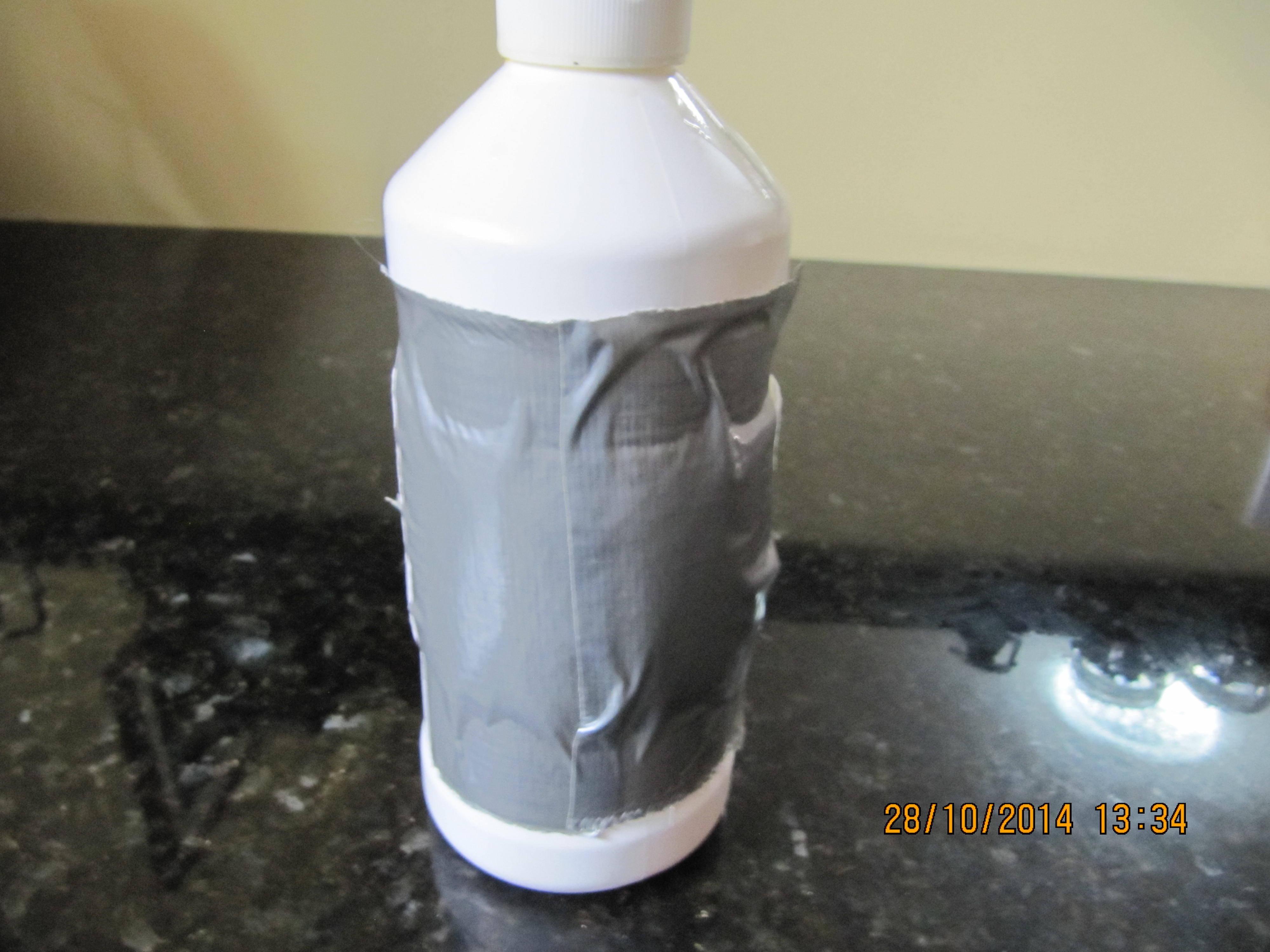
I use the Ferretone bottle 10 times a day at least.  How am I doing to handle the bottle without getting Ferretone all over me and my clothes? Light bulb comes on, secure the paper towel with something safer!!

Ferretone bottle duct taped up the wazoo

Ferretone bottle duct taped up the wazoo

The duct tape worked for a short while and then one day, slowly slid down! Damn, the oil loosened the tape.

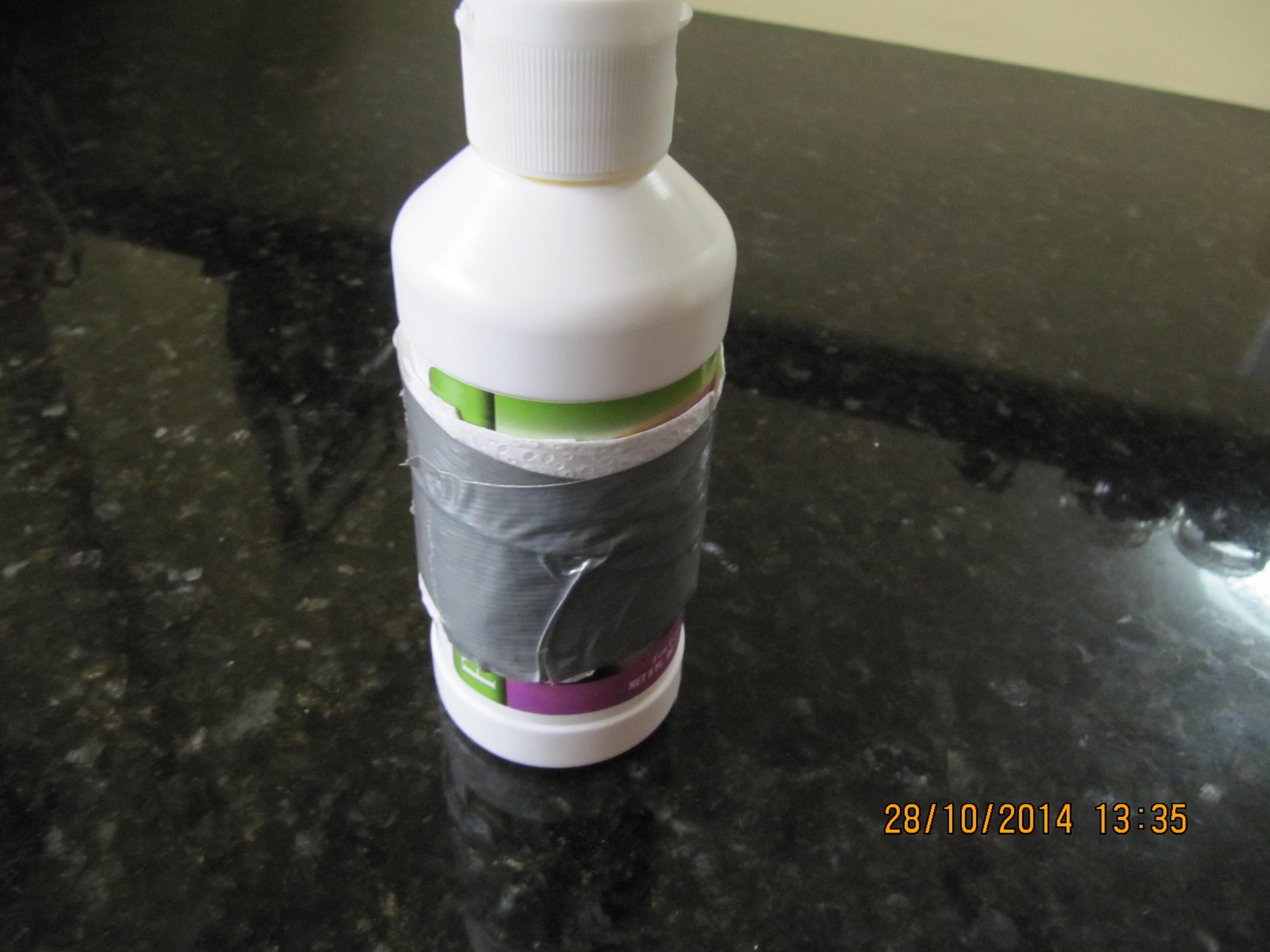
Plan B, paper towel, elastic and then duct tape the bottle. The whole thing will stay on longer and when it does start to let go, the elastic is inside and can’t drop off without me knowing.

paper towel, elastic and duct tape over it all. Take that you drippy bottle

paper towel, elastic and duct tape over it all. Take that you drippy bottle

So, yes, I used duct tape.  I wonder if the company would like to know about my latest use of their product!

I went and kissed all my seniors and thanked them for not eating the elastic. Mommy owes them big time!

Hidden Dangers

Written by Mahri, EverythingFerret.com

Unfortunately, one of the most prevalent causes of premature ferret death is gastrointestinal blockage. You can protect your ferrets by keeping a close eye on what they like to chew on. Basically, ferrets like any type of foam rubber, soft rubber, couch stuffing, sponge and Styrofoam. Additionally, many ferrets also enjoy chewing on paper, plastic bags, cardboard and fabric. These will all cause gastrointestinal blockages if ingested.

Look for signs such as furniture stuffing on the floor, under beds or under other furniture. Make sure your ferrets are not digging holes under the couch and crawling inside. Keep all shoes with inserts out of the reach of your ferret. If your ferret is chewing his or her bedding, try a stronger fabric that won’t tear. Generally, keep an eye on your ferrets and be familiar with their favorite places to hide and which items in the house they are fixated on. This will help you come up with a ferret proofing plan that is right for your ferrets.

Ferrets actually enjoy the smell of bleach, bar soap and some other household cleaners. Be careful when you are cleaning the bathroom or kitchen. Always rinse bathtubs very well after cleaning them. Some ferrets (like mine) are able to climb into the tub by themselves. They enjoy licking the water droplets off the sides of the tub. A small amount of disinfecting cleaner or bleach could make your ferret ill.

Keep toilet lids down to keep your ferret from drinking out of the toilet (yes, I have a ferret that does this) . Again, toilet cleaners are toxic to ferrets. Ferrets could also drown in the toilet water. Store all cleaning supplies, medicine and bar soap in a ferret proof area.

Finally, to keep your ferret out of potentially unsafe rooms such as the kitchen, bathrooms, and laundry room you must construct a ferret barrier. Traditional pet and child proof gates will not work. Most ferrets can easily climb over these gates and can get strangled or stuck by trying to squeeze through the openings. Ferrets will try to get under the refrigerator (they can be seriously injured by the fan), under cabinets, in drawers, under the washer and dryer (they can get in the dryer if you leave the door open) and in any other small opening at ground level.

PLEASE CHECK THE DISHWASHER AND CLOTHES DRYER FOR YOUR FERRET(S) BEFORE STARTING IT. My veterinarian has told me horror stories about ferrets being killed in these appliances. Ferrets can also climb into high places such as the top shelf of a closet. Unfortunately, ferrets can get themselves into situations they can’t get out of and end up getting injured. Make sure you know where your ferret is at all times!

The best way to keep your ferret out of dangerous rooms is to make your own barrier or purchase a gate made especially for ferrets (these are constructed out of a solid sheet of plastic or Plexiglas). You can make your own barrier by measuring your doorway and purchasing a flat sheet of wood or Plexiglas that is at least three feet tall. Stiff cardboard may work as well. Just wedge the board in your doorway to keep the room blocked off.

Climbing over the barriers may seem like a pain, but it’s nothing compared to trying to find a ferret who has gotten trapped inside a wall, under the fridge or behind a cabinet! Keep your ferrets out of your furniture by nailing or tacking heavy material, card board, wood sheets or particle board on the bottom of the furniture. This keeps them from being able to dig through the soft fabric located under your furniture.

Keeping a close eye on your little buddies and setting limits for them will create a comfortable, safe home environment for you and your ferrets.

Ferret Proofing

One of the most important things you can do to safeguard your ferret is to ensure there is absolutely no way for them to escape to the outer world or into openings in your home.

Unlike cats and dogs, ferrets are unable to survive on their own and generally die within a few days without human intervention.

If your ferret should happen to escape, you should be prepared to bring their favorite squeaky toy, treats and possibly another ferret in your search for him. The odds are not with you, but it is possible, see a recent news report of two lost ferrets recovered in the forest after four day search.

In addition, you should always have a recent photo of your ferret(s) which you could use to produce fliers to help identify him as a house pet, many people do not realize ferrets are domesticated!

Domesticated ferrets can be very social and all around awesome

Hanging out

Don’t underestimate the abilities of a ferret, they are more than capable of getting into or under the smallest of openings and able to move heavy things outs of their way. Ferret proofing is not a one time job, it is a constant endeavour that our monsters prove time and again.

Equally important is to ensure there is nothing dangerous or poisonous (especially house plants, ashtrays and potpourri) within their reach as ferrets are more than capable of jumping and climbing to get to items that catch their attention. As a side note ferrets love to dig through the dirt of your favourite houseplant, so for the sake of keeping your place clean and the plant safe, these are better left out of reach.

Common household items that are usually over looked in protecting your carpet shark are; the buttons on your remote control which they can swallow, parts of a toy they can chew off and swallow and the infamous styrofoam packing peanuts. All of these items can cause serious life threatening health problems (blockage requiring surgery) to a ferret which can easily be avoided.

Due to the size and endless curiosity of the ferret, they will always find new ways and new territories to explore. Prior to bringing home your baby it is vital to their safety and well-being that there be no openings they can get into or under.

The best way to accomplish this is to lay on the floor in every room and search out spaces, openings, etc. they can get into and close them up. This applies to cabinets which they can open, you certainly don’t want your ferret to come into contact with any dangerous chemicals, so child proofing is strongly recommended.

As previously mentioned, ferret proofing is not a one shot deal, you will always need to keep an eye on your ferret as they show you new territory they can get in to. The following list is a good starting point for ferret proofing, but is not totally comprehensive. You will need to watch your ferret carefully in your own home to truly identify all the ways you need to ferret-proof your home!

1. Appliances

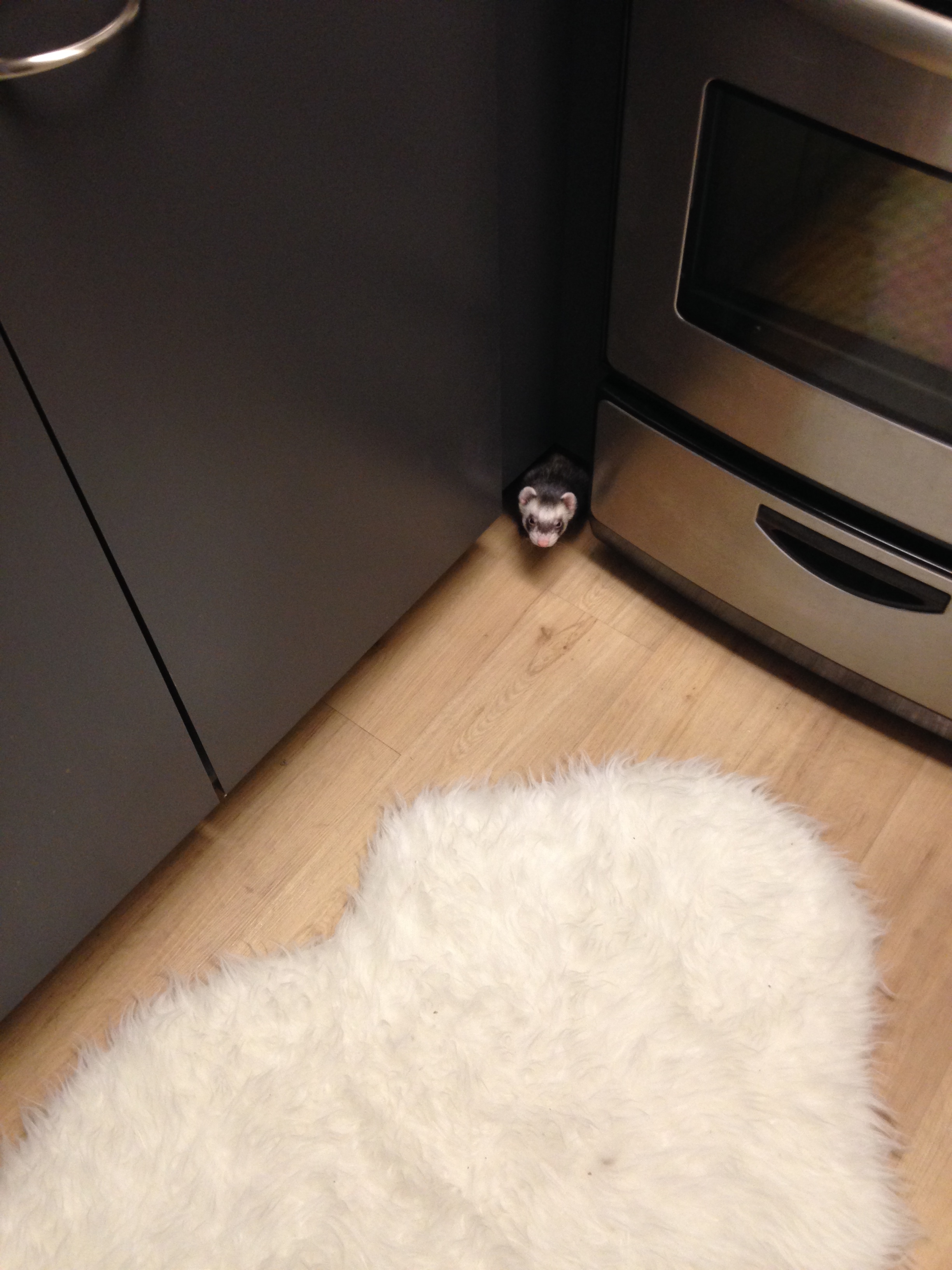
Restrict access to laundry and kitchen if possible. If not, block off around appliances (fridge, stove, dishwasher, washer, dryer, freezers) so that ferrets can’t get under them or into the workings (e.g. where the motor or wires are located). My girl Bandit used to somehow get into the drawer under my stove and stash toys there. Also double check for hiding ferrets before turning appliances on or shutting their doors.

2. 

Laundry baskets

Double check the laundry before putting in washer or dryer.

3. Dryer vents

Secure the dryer duct, watch for chewing into the duct or your ferret may use it to get outdoors or into the dryer.
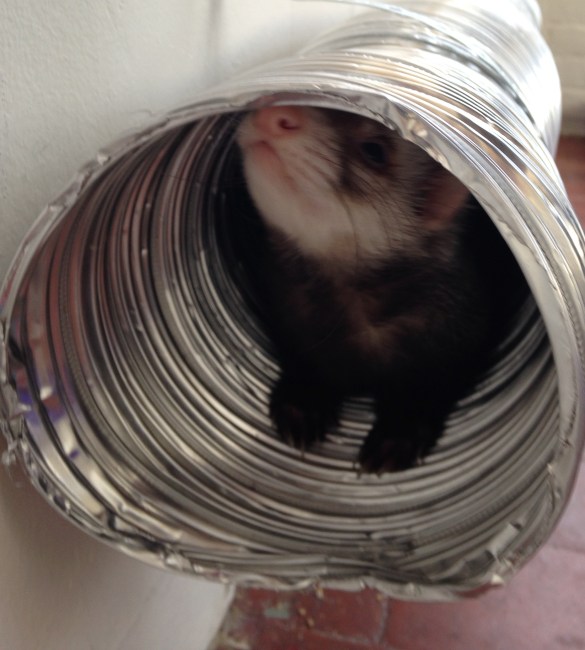
Bandit loves tunnels so I hung a few around their playroom

Bandit

4. Air ducts

Ensure your ferrets cannot get into the heating/air ducts or they might get stuck, injured, or end up outdoors.

5. 
Boxspring mattresses

Securely cover bottom with heavy fabric or wood to prevent ferrets from climbing into the boxspring.

6. 

Recliners & Rocking chairs

Always make sure your ferrets are no where near the mechanisms when using recliners or rocking chairs, best bet is not to use them when your ferrets are out.

7. Couches & Chairs

Secure the bottoms to prevent ferrets from getting under and up into the furniture. Also check under the cushions before sitting, to make sure a ferret isn’t napping under them. Bandit essentially created her own city inside my first couch, as I lived alone it was easier to monitor where she was before sitting down, but always be aware.

Using slipcovers will prevent ferrets from burrowing into the cushions. Periodically check couch cushions, furniture, and pillows for signs of chewing.

8. Small spaces

Make sure there are no small spaces through which your ferret could get out of the house or into the walls. Remember, if they can get their heads into a crack, their bodies can usually follow. Especially check around cupboards, plumbing, ducts, doors, etc.

Turnip made a home in a hole under the cupboard

Stash hole

9. Under doors

Watch for large spaces that ferrets can get through. To prevent ferrets from trying to dig out through the carpet under doors, you can place a plastic chairmat (can be trimmed to fit), thin plexiglass, or linoleum under the door.

10. 

Windows

Make sure any accessible windows are closed when ferrets are out. Ferrets can easily bite through window screens.

11. Toilets

Drowning danger!! Keeping ferrets out of the bathroom is safest overall, but again you never really know, it is best to keep toilet seats down at all times.

12. 
Standing water

Similar to toilets, a sink, tub, or even bucket of water poses a drowning risk.
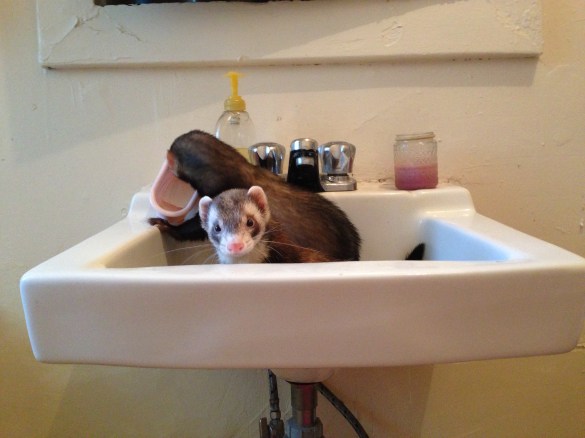
Boys exploring the sink

Boys exploring the sink

13. Cleaning supplies

Most cleaning chemicals are toxic or dangerous to curious ferrets. Keep strictly out of reach.

Ferrets actually enjoy the smell and sometimes taste of soap! Make sure to keep soap and soapy water out of reach of your monsters.

14. Cupboards

Most ferrets will easily get into your cupboards, you can invest in the magnetic type of child proofing locks for cupboards (most of the plastic locks allow the cupboards to open a bit, which is enough for most ferrets to get in).

15. Electrical cords

Just be aware of all cords in your home, some ferrets enjoy chewing. None of my ferrets have given me a problem with this but there are some out there, so always monitor accessible cords and remove any damaged cables.

16. Houseplants

As mentioned above house plants can be annoying to continue cleaning up after, as well as dangerous for your ferret if they try to eat. Do not keep poisonous plants (ferrets will dig in the soil and might chew the plants) and always research when getting a new plant  if they are poisonous to ferrets.

17. Knick-knacks

Make sure breakable or delicate items are out of reach, and there are no heavy items that might fall or be pulled over onto your ferret. Ferrets are basically children, they like mess, noise and getting into what they shouldn’t.

Things like foam, soft rubber or plastic, styrofoam, sponges, rubber bands, pen caps, cotton swabs, fabrics, and so on should be kept out of reach or in separate areas than ferrets play. Remote control buttons are also a favorite target.

18. Bookcases & High Tables

Ferrets like to climb up anything and everything, but often can’t climb down due to their poor eyesight. However often ferrets then try to jump down, even from heights, make sure there is no high furniture to get stuck on.

19. Open railings

Around stairs, balconies, etc. Their poor eyesight might lead them to believe they’re not that high up.

20. Garbage

Securely cover or keep out of reach, this is one of their favourite things to ‘dig’ in.

21. Fans, Space Heaters, Candles, Fireplaces

Keep ferrets away from these to the best of your abilities.

22. Toys

Check periodically to make sure they are not being dismantled and eaten.

Toy time!

Toy time!

Ferret-proofing is an ongoing task, rather than a one-time chore. No matter how thoroughly you ferret-proof, you should still carefully supervise your monsters as you never know what they might try to get into next!

Keep an eye on what your ferrets want to get into, and make adjustments as necessary.