FERRET NATION CAGE-DANGEROUS SHELVING

I can’t tell you yet if this story will have a happy ending but I am very optimistic because my vet has told me that Scrappy did not need to be put down. I am hoping the degree of her handicap will be minimal. Scrappy caught her left front paw in the shelf of her Ferret Nation cage.

I was not home when this happened so I do not know how long she struggled but the end result was that she freed herself. However in order to free herself, she literally pulled her shoulder out of its socket and even stretched the tendon. The left front shoulder and paw are now completely useless and fold in on her body.  We have her on Pred. to help reduce the swelling. She is confined to a small cage to keep her from moving around. My first thought is yeah right, keep a healthy 4 year old girl” named Scrappy for a reason” immobile!! Well, she is in enough pain that she is not moving/trying to use the shoulder.

Before you jump all over me for not giving her pain medication, the reason as explained by my vet is this; she will stay off the limb, stay quiet and let the nerves heal. If she was numbed of the pain, she would try to play like she is used to.  Crappy is not biting at me, not grinding her teeth or whimpering when handled.  I feel she is coping very well with her situation.

I have tried water therapy and she lay in my hand looking up at me totally unimpressed, not doing anything.  I am going to try again but for some ferrets, the water therapy is a bust!

Now, back to my reason for telling you all this!  This accident did not need to happen. I take full responsibility.  The MFA has 4 Ferret Nation cages. These cages were donated along with a surrendered ferret(s).  I personally think the Ferret Nation cage is the Cadillac of  cages. The large double doors make cage cleaning a breeze. The plastic floor pans are easy to slide out and clean. The shelves are nice and wide.

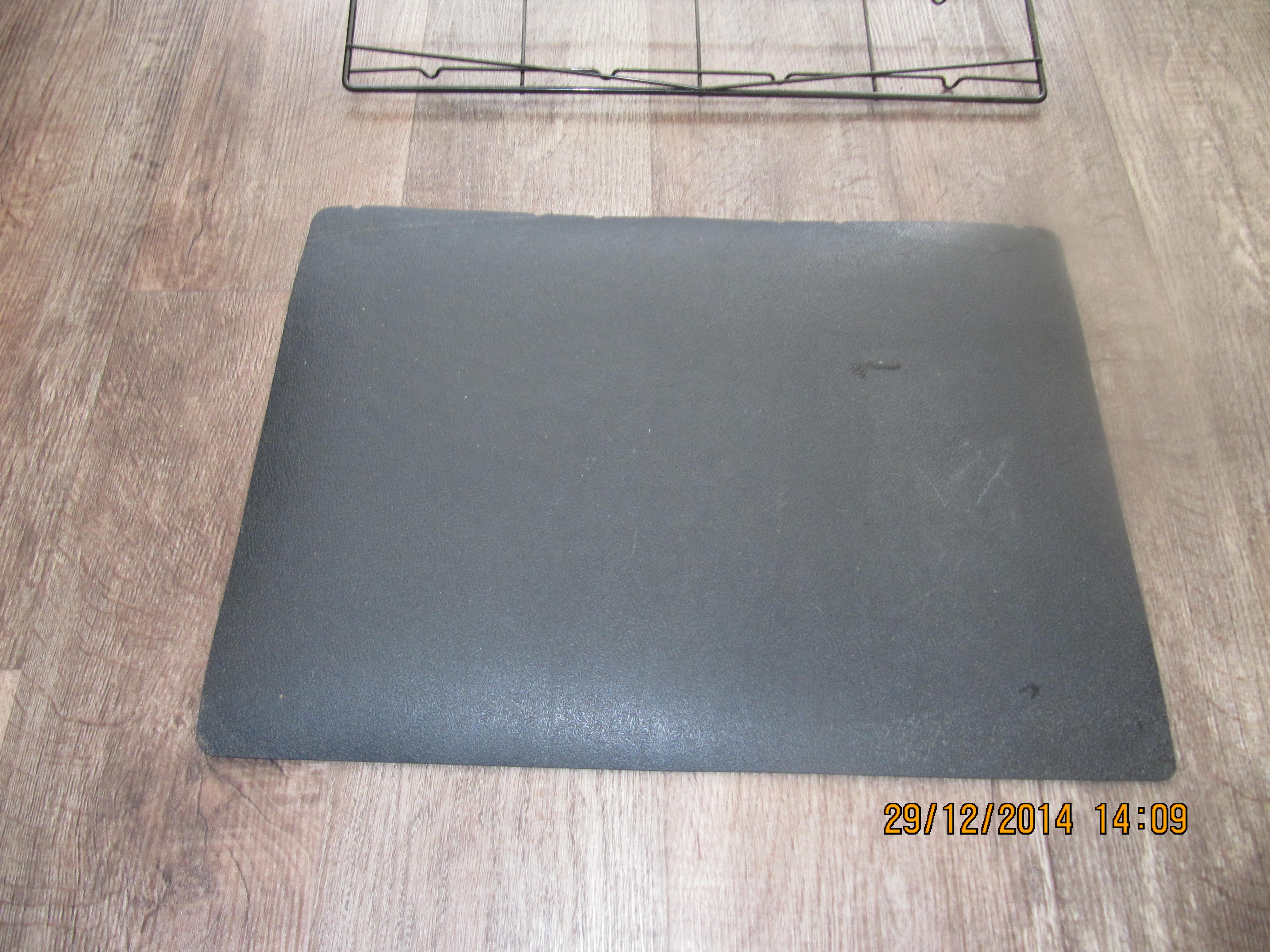
There is one  problem. The older model #142 had a plastic insert instead of a plastic tray on the shelving. The plastic insert has a tiny  gap and this is where ferrets were getting their front or back paws caught.

FErret Nation shelf with plastic insert-ferrets catching toes under angled bracket or along the edge

plastic insert

plastic insert

wire shelf without the plastic insert

wire shelf without the plastic insert

Now after several ferrets actually died and many more were injured, the Ferret Nation shelf was modified. Anyone with the original shelf could contact the company and the replacement shelf would be sent out. My understanding is that the cage owner had to contact the company. I had read about this problem but at that time we did not have any Ferret Nation cages in the shelter. So, in one ear and out the other as the saying goes!

By the time we started getting Ferret Nation cages donated with ferrets I had completely forgotten about the shelving issue.  In the last seven years we have received 4 Ferret Nation cages and until December 23rd we had never had a problem.  I wish that I had contacted the company and requested the replacement pan even though I wasn’t the original owner.  I previously had no time to go on line to Ferret.com to order treats(my friend looked after that for us) and so I did not see that they sold the replacement pan!

replacement shelf from Ferret.com

replacement shelf from Ferret.com

I have contacted the company, sent pictures at their request and now I am waiting to see if they will replace them free of charge because we are a shelter.  If not, then I will be ordering the shelves and bite the bullet at the $200.00 cost.

I am grateful that Scrappy did not die from her injury. I don’t know how I would have coped with that guilt.

So, if you have a Ferret Nation #142 check your shelving. If you have the plastic insert, please don’t wait till something happens! Learn from my mistake!

Nail Clipping Gross Bonus

So yesterday was a fun day!  I posted that I cleaned a gazillion litter boxes, changed bedding and clipped toe nails. I even bathed 4 naughty ferrets.

This was an all day adventure and I had a continuous cup of coffee going. I would simply top up my cup when it go low or too cold.

The coffee cup followed me from chore to chore. When I do the nails, I place a towel on my counter. I then place the ferret on the towel on its back, add the Ferretone (discontinued in 2020, substitute with Salmon Oil or Olive Oil or Flax Oil) to the tummy and clip away while he is licking the oil.   This is easiest for me as I have a bad back and bending over a ferret sitting on my lap wouldn’t be to bad if I was only doing one or two, but, I have lots of fuzzbutts to do.  The clipped toe nail ends accumulate in the towel and a few go flying here and there.

This morning I decided that I should do up my dishes from yesterday and today. Not much to do, a plate, bowl, a bit of cutlery and my coffee cup. I poured out the last dregs of coffee and just happened to look down. Yucky, Yucky, Yucky, I had ferret toe nail bits at the bottom of my cup! (do the mental picture here because I couldn’t get a good picture, the nail bits came out looking like bits of worms which looks even grosser). I guess I had my coffee cup just a tad too close on the counter. I am going to pretend that I didn’t swallow any yesterday!

I am known for letting my ferrets kiss my lips, nose, teeth and ear lobs. I have offered my ferrets a lick of yogurt from my spoon and then finished off the spoon. I have let my ferrets lick the smooth peanut butter off my toast and then finished the toast. I am sure I have more germs in my mouth then my furries do and besides these are my babies and tough nougies to those of you that are grossed out. My dogs give me cheek kisses too – so there. Having said all this, I admit the idea of those toe nails swimming around in my coffee cup does leave me a bit grossed out. We all know there those paws have been!

So, to my fellow ferret owners, when clipping your ferret’s toe nails, make sure to cover your beverage container or you may just have a “little extra” that you hadn’t counted on!

Choosing a Ferret Friendly Vet

Choosing a Ferret Friendly Vet

This is a very good article on how to choose your vet.The MFA couldn’t say it better! Go to our website for a list of ferret wise veterinary clinics as recommended by our membership. When using our list of recommend ed vets, always ask if there is a vet on staff that specializes in ferrets because vets do change clinics from time to time and it would be impossible for us to keep up with the changes!

Veterinary & Aquatic Services Department, Drs. Foster & Smith, Inc.


Choosing a veterinarian that is right for you and your ferret is not always easy. You want to find a veterinarian with whom you and your pet can feel comfortable and can build a trusting relationship. And you want to find that veterinarian before you get a ferret – the veterinarian can advise you on what to look for in a healthy ferret. If you have moved or for some other reason need to change veterinarians, find a new veterinarian before your ferret becomes ill. 

Types of veterinary practices… 

Different types of veterinary practices exist. Those that provide care to companion animals include the following: 

Small animal practice: These veterinarians work mainly with dogs and cats. Many also care for ferrets, pocket pets, reptiles, and birds. 

Mixed animal practice: These veterinarians are commonly found in more rural areas as they work with pets as well as horses, cattle, and other farm animals.


Emergency clinics: These clinics are very helpful in the event an emergency occurs outside of your veterinarian’s regular office hours. They do not typically handle routine check-ups, vaccinations, or spays/neuters. Emergency clinics may also see patients who need 24-hour care or exams with specialized equipment to perform procedures such as ultrasonography or endoscopy that the veterinarians in the surrounding area do not have at their facilities. 

Exotics clinics: These veterinarians specialize in caring for pocket pets, reptiles, birds, ferrets, and species other than dogs and cats. 

Avian clinics: These veterinarians specialize in companion bird health. 

Cat only clinics: These veterinarians limit their practice to cats only. 

Mobile practices: Some veterinarians will travel to your house to treat your pet, just like some travel to farms to treat farm animals. 

The veterinarians that limit the species of patients to which they provide care, such as ‘cat-only,’ are able to devote more time to learning about that particular species. This allows for more in-depth knowledge of disease processes in that species. In many multi-doctor practices, the doctors have individual interests which they pursue. They are available to consult with other doctors in the clinic on those subjects. 

Where to find a veterinarian… 

Ask friends, family members, and co-workers that have pets: 

Where do they take their pets, and why?


Do they like the location? 

Is the staff friendly, and do they seem knowledgeable? 

Does the doctor fully explain the diagnosis, treatment plan, and expected outcome of a disease? 

Are they comfortable asking the doctor questions? 

Ferret clubs: Ferret clubs may be a good source of information when looking for a veterinarian. 

Local directories: The yellow pages or business pages of a phone book normally will provide information on local veterinarians’ names, addresses, and phone numbers. 

Things to look for when visiting a veterinary clinic… 

Office hours and emergencies: 

What are the regular office hours? 
What hours are the doctors available for appointments? 
How are emergencies handled during business hours? 
How are emergencies handled after hours and on holidays? 
How long does it take to get an appointment for a wellness exam versus a ‘sick pet’ appointment? 

Veterinarian and staff: 

How are questions over the phone handled? 
Are the staff knowledgeable and courteous? 
Are phone calls answered quickly? 
Are you put on ‘hold’ for long periods of time? 
Can you see a specific doctor if you are at a multi-doctor practice? 
Do you feel comfortable with the receptionist, technician, and doctor?


Veterinary & Aquatic Services Department, Drs. Foster & Smith, Inc.


Fees and payment:


Do not make cost your determining factor when choosing a veterinarian. It is very difficult to compare costs for medical services because every veterinarian practices differently. Expect to pay a fair price for the services received. In a critical situation, cost is usually not your first concern, so choose quality care above all else. Your pet is more than a financial investment. Along with cost, find out:


What methods of payment are accepted?

When is payment due?

Are credit cards accepted?


Services:


What types of services are available?

Medical exams?

Surgery, including orthopedic?

Dentistry?

Radiology (x-rays)?

Ultrasonography?

Endoscopy?

Nutrition counseling?

Laboratory testing?

Are the veterinarians willing to refer pets to specialists? If so, whom?

Do they have auxiliary services such as boarding?


Facilities:


Is the practice clean and neat?

Are there unpleasant odors?

Are the grounds well kept?

Is the facility in a good location and easy for you to get to?


Professional affiliations:


Are the doctors members of professional associations including those related to “exotic” animals?

Is the hospital an American Animal Hospital Association (AAHA) associated hospital?

Do the veterinarians regularly attend conferences and other continuing education programs?


As part of your search, pay a visit to the facilities you are interested in and have a tour. Make appointments to meet the veterinarians. If your ferret has ongoing medical or behavioral problems, find out if the veterinarian is comfortable in treating those problems.


Hopefully, your ferret will have a healthy life and never need a specialist, but if a specialist is needed, they are available. Some veterinarians will have a special interest in certain areas of medicine or surgery and specialize in it. If they are board-certified, it means that they have studied and have passed board-certification exams in that specialty.


Specialists


The following is a partial list of specialties that have board-certification:


Internal medicine: Specializing in the diagnosis and treatment of disorders that involve the internal organs such as the liver, kidneys, and pancreas.


Surgery – orthopedic and soft tissue: Specializing in the diagnosis and treatment of disorders that need surgery to repair such as back surgery, complicated fractures, or abdominal surgery.


Dermatology: Specializing in the diagnosis and treatment of skin disorders including allergies.


Oncology: Specializing in the diagnosis and treatment of cancers.


Radiology: Specializing in reading x-rays, CAT scans, MRIs, and ultrasounds.


Cardiology: Specializing in the diagnosis and treatment of heart diseases.


Ophthalmology: Specializing in the diagnosis and treatment of eye disorders.


Conclusion


The relationship between you, your pet, and your veterinarian will hopefully last many years, so take time to find the right ‘fit.’ Since you will need to be able to discuss your pet’s symptoms, test results, and treatment options with your veterinarian, good communication is of utmost importance. Find a clinic with veterinarians who you feel comfortable with and have good ‘bedside manners.’ Once you have found that veterinarian, we strongly recommend regular veterinary visits, or at the very least, annual physical exams.

 

Looking Good for Santa!

I need to take a break hence I stuff certain ferrets in a gift bag and leave them under the tree for Santa!  I have spent the whole morning changing litter boxes and putting fresh hammocks and blankies in all the cages.

Next on the agenda was nail trimming time! Nail clipping is easy so long as you have your trusty bottle of Ferretone.  I have a special Ferretone stained towel that I set on the counter. I dribble some Ferretone on the tummy area and while the ferret is busy taking care of his Ferretone addiction; I do the nails.  I used to sit on the floor and do it until I got fed up  chasing down the Ferretone bottle as it thumped down the hall behind a ferret; leaving an enticing trail that the other ferrets out playing were skidding through!

Now you would be thinking that bath time was next so that everyone would be sweet smelling for Santa.  The first year I had ferrets, I bathed them every 3rd month. Then I smartened up and to the ferrets immense relief I only give them a bath in the Spring when they are shedding their winter coat and again in the late fall when they are shedding their Summer coat. The bedding gets changed every second day or third at the very latest.  I stopped having itchy ferrets and my ferrets and home smelled much better.  The ferrets were over compensating the oil production when I was stripping their coats every 3rd month.  The oily residue from their coats is deposited on the blanket/hammock and that is changed often enough that the smell does not have a chance to make stinkies. ** To keep their bedding smelling fresh and clean always add one cup of Vinegar to the wash water. The vinegar sterilizes and deodorizes the bedding!

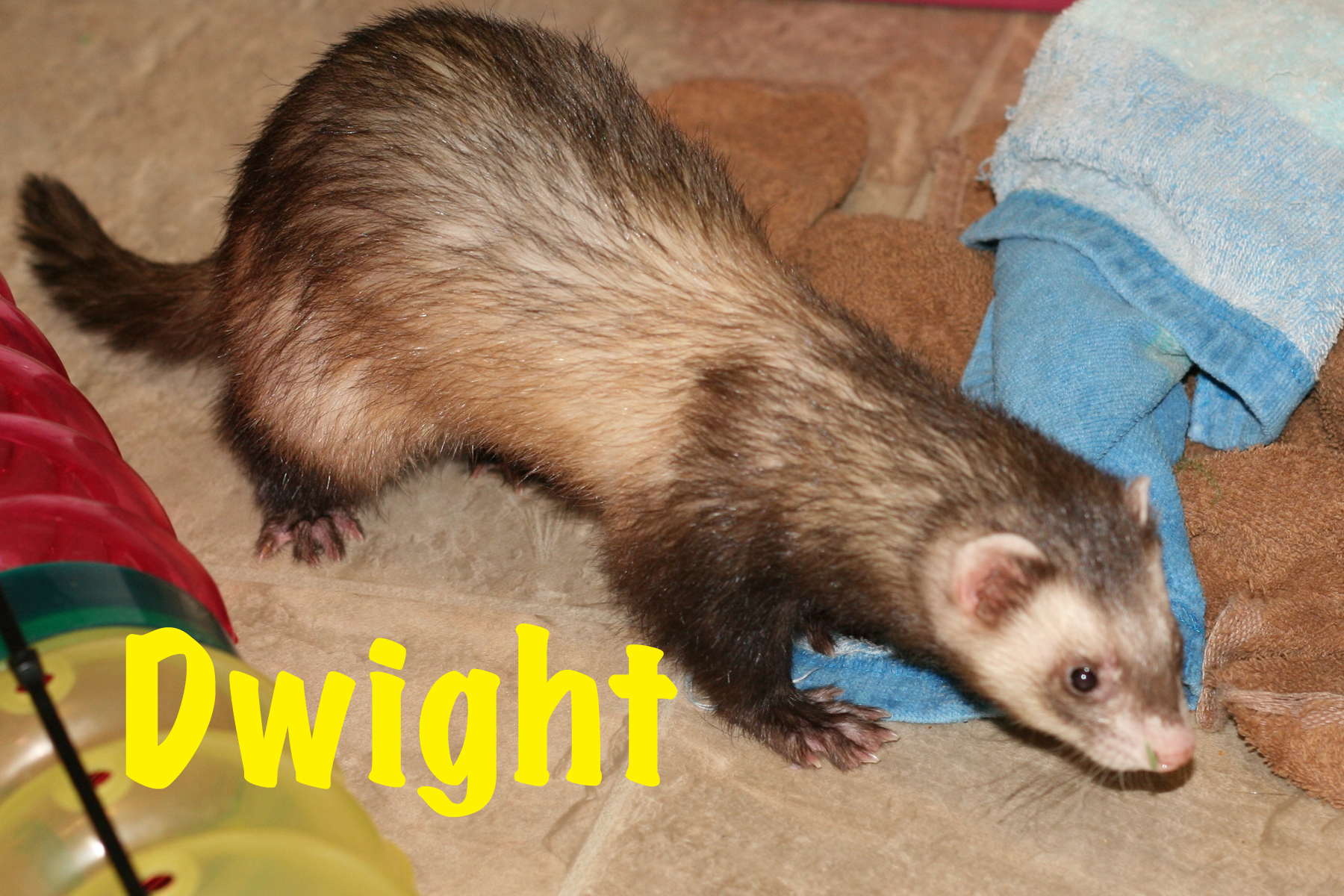
Back to wanting to let Santa have the brats.  I figured I was all done, litter boxes washed and refilled, fresh hammocks and bedding and everyone had a manicure – time for a well deserved cup of coffee. I ran downstairs to put the washing into the dryer. Upon my return (sob) I discovered Dwight, Snip, Ginger and Peaches rolling, yes, rolling in honey!!!  I do not know which one opened the pantry, I do not know which one pushed the honey off the second shelf or the little bugger that got the tuperware lid off; all I know is that I had four very sticky ferrets licking as fast as their little tongues could go before mommy took the honey away! Okay, I can understand licking the spilled honey, but weasel war dancing through it!!! That was done just to spite mommy!

So, I put all four in my soaker tub and let them play/get clean. Have you ever tried to towel dry your ferret?  Do you know what wet ferrets do? I had four psycho ferrets jumping and bouncing and – nuts how can you stay mad when you are almost peeing yourself laughing.

So, I have four very tired, fluffy, clean fuzzbutts all ready for Santa. I hear whispering coming from the shelter room. I think the others want to get in on the fun – they honey is now on the top shelf and I am heading off to Wal Mart to buy baby cupboard locks!

here are the 4 brats (no, I was too busy grabbing ferrets to take a picture of them coated in honey, these portrait shots will have to do)

Ginger and Snip looking so innocent

Ginger and Snip looking so innocent

Dwight - I live with 3 girls, who's idea do you think this was?

Dwight – I live with 3 girls, who’s idea do you think this was?

I'm an old, old lady, I would never be naughty (tehe)

I’m an old, old lady, I would never be naughty (tehe)

You’re trying to poison me!!!

As a long term shelter mom I have given more different types of medications over the years than I can count!  There is a medication prescribed to treat diarrhea that is very effective.  In fact it is the only antibiotic that will treat gut issues.  This medication is Metronidazole.

I must admit that when I take a shelter ferret to the vet for diarrhea I am praying that I will be prescribed something NEW.  It never happens. Ferrets HATE Metronidazole with a passion.

What is my complaint with Metronidazole?  Well, this medication is very, very bitter.  It is also prescribed to us humans and if you have ever had the displeasure of taking it; it is like licking a sour piece of metal – horrible bitter taste!  Our ferrets feel the same way.

The vet will tell you to camouflage the crushed pill in honey  or jam (never peanut butter). You may get the first dose in your ferret but trust me, you will wear the second dose, and the third and the fourth……………..

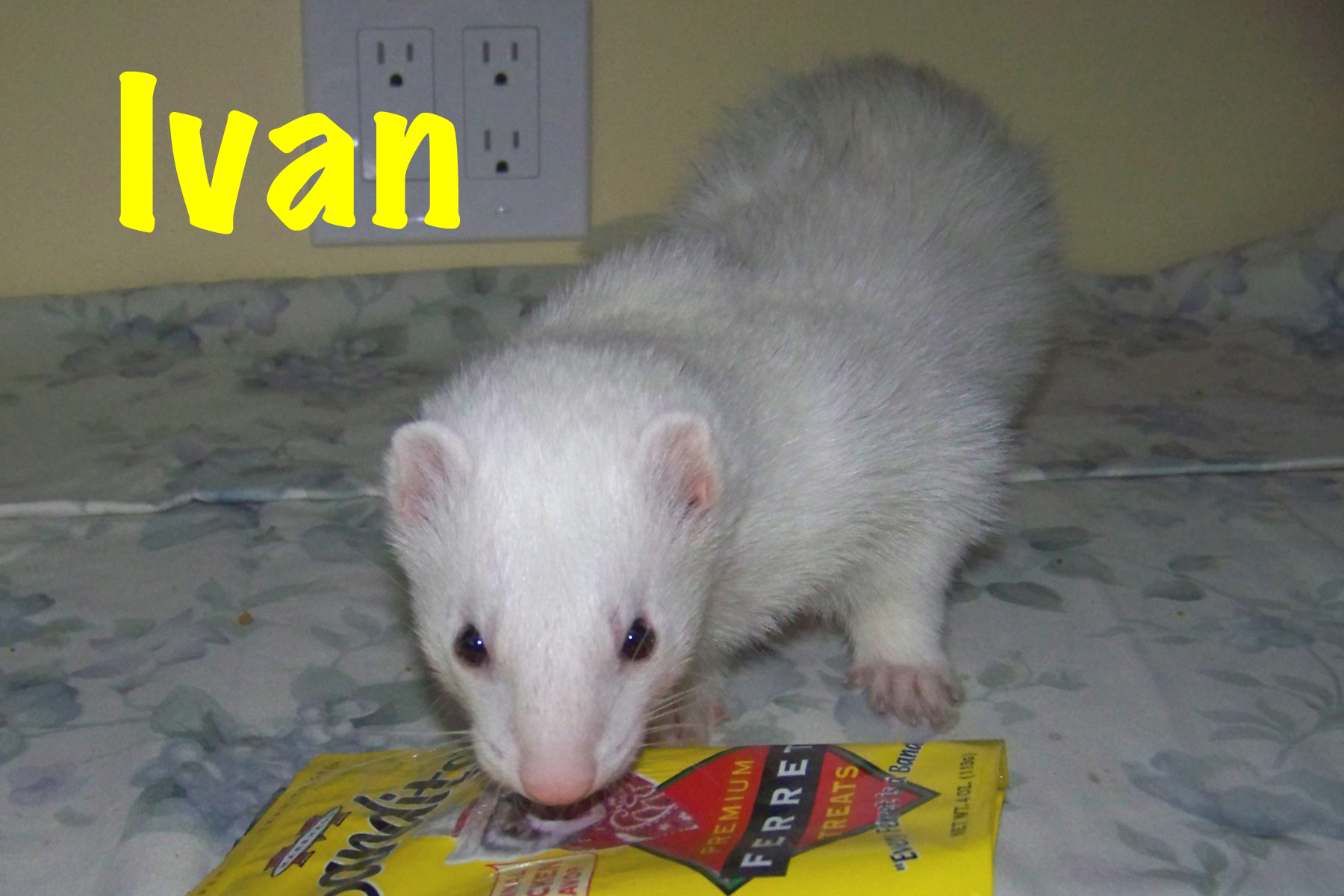
Ivan before his tummy issue

Ivan before his tummy issue

Well, I had to take Ivan to the vet for diarrhea and came home with the Metronidazole! Here we go! After years of crushing pills between spoons and using dollar store crushers, I finally went out and bought myself a pestle and mortar this summer (best 10.00 investment ever). I crushed the med. and went to the fridge for some “jam”.  Bridget had made some delicious Plum jam and had gifted me a small jar. When you select your masking agent you need to make sure that it will slide down the ferret’s throat safely and most importantly; QUICKLY! Peanut butter and honey coat the mouth and it takes too many licks to make it slide down the throat.  Ferretone (discontinued 2020, using Salmon Oil) goes NOT mask the taste well enough. So that is why we are back to jam.  You should never use a jam that can cause other issues. An example would be  using Raspberry jam. Never use raspberry jam because the seeds can cause complications.

Ok, back to giving poor Ivan his meds.  I have my pestle and mortar to grind the pill into FINE POWDER. I have my jam and spoon for mixing.

bitter medicine

bitter medicine

pestle and moter, 2 sizes

pestle and mortar, 2 sizes

smooth sweet jam to mask the bitter taste of crushed meds

smooth sweet jam to mask the bitter taste of crushed meds

Well, so far, most of you are probably thinking, yeah I know this!  Well I discovered something this time around.  The first couple of times, I had taken the jam out of the fridge to let it  come to room temperature (I have done this for years). Once the chill was off the jam, I mixed everything up and scruffed Ivan. I put the blob of jam in his mouth and then held him in a cuddle fashion. Let’s face it, we feel so guilty giving yucky medicine we have to cuddle them to say sorry!

Ivan fought me as I expected. He bubbled and frothed and we both wore the med but at least “some” got in him! On the morning of  day three I took out the jam, but because of sleeping in and being in a hurry for an appointment; I immediately mixed the jam with the crushed med and gave it to Ivan keeping him in the scruff mode as I did it.  Two things happened.  The cold jam slid down his throat and didn’t “melt” on Ivan’s tongue. Also keeping Ivan in the scruff mode meant he couldn’t  shake his head to spray his med flecked spit all over. The med went down in 2 seconds flat and Ivan didn’t froth at the mouth. Wow, that was easy! I gave Ivan a quick lick of Ferretone  discontinued 2020 – now using Salmon Oil) as a reward and he did not shy away from me.  He did not seem stressed this time. well, well, well.

I tried the same thing (cold jam) for the evening dose and again it went off like a charm.

I have since tried it with my IBS ferret JJ and he is not spitting up the Metronidazole. In fact in 5 seconds it’s all over with and he goes about playing. Man, I wish I had known this years ago.  I had always warmed the jam up to make it easier!  Now, I am no scientist so I can’t explain why the meds go down easier and quicker cold, but I tell you, I won’t do it any other way from now on!