Ferret’s Bill of Rights

Written by Robert R. Church

As ferret caretakers, the following rights are recognized as integral to the ethical and moral treatment of Mustela furo, the domesticated ferret:

The ferret has the right to life.

In those instances where euthanasia is seen as the only moral and ethical option, then it is to be performed with dignity and compassion and in a painless manner.

The ferret has the right to professional veterinary care and treatment, as well as medical treatments that prevent disease, such as heart worm, rabies and distemper, among others.

The ferret has the right to clean water and nutritious food, presented in a sanitary manner.

The ferret has the right to live in a clean and stimulating environment commensurate to its intelligence and curiosity.

The ferret has the right to positive physical contact with people and other ferrets.

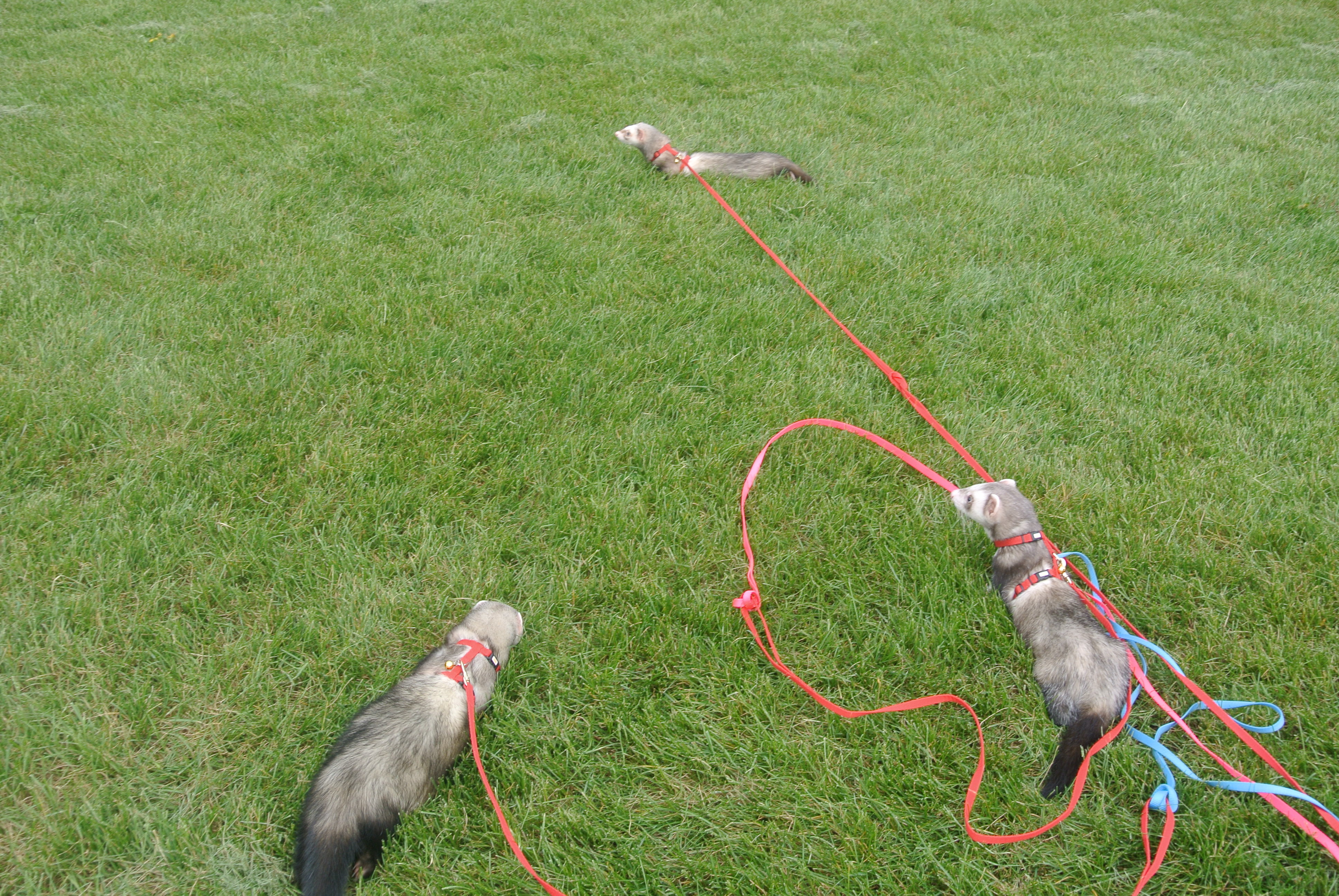
The ferret has the right to daily exercise and to explore its environment.

The ferret has the right to be a ferret; not a dog nor a cat.

The ferret has the right to live in a secure and stress-free environment, which includes places to hide when sleeping.

The ferret has the right to be bred in a safe, moral and ethical manner, with the assurance offspring from such breeding will also be treated ethically and morally.

The ferret has the right to defend itself when afraid, without fear of judgement or reprisal.

The ferret has the right to be loved in a FOREVER HOME until it’s time comes to cross the Rainbow Bridge.

Choosing a ferret for you

Now you are serious about getting a furry but don’t know where to start. The best thing that I can suggest for everyone is when you decide that a ferret is what you want; you have the time, you are dedicated, etc. Start by going to your local ferret shelters, find out if they would mind if you came there and spent some time with the ones they have available.

Find a ferret perfect for you

Find a ferret perfect for you

By arranging some time with your local ferret shelter you will know first hand of what must be done on a daily basis, which is also a good option for children wishing to own a ferret. The other benefit is you can help out the owner to catch up on things while giving the ferrets extra attention!

Another thing to look at is the age of your soon-to-be ferret. If this is your first ferret adopting a baby (kit) might be too hectic, while a senior could ease you into it.

All too often the older ones or those that have had previous surgeries are forgotten about. Yet these ferrets make wonderful companions as they already come trained and tend to be a bit more laid back. Their personality/temperament is known, unlike a kit. Some ferrets are here for a short time –  2 or 3 years – while some ferrets live to be 8 or 9 years old.

That 3 or 4 year old ferret in the shelter could very well out live the baby ferret from the pet store. The older ferrets seem to bond very strongly with their adoptive mom or dad, it is almost like they know they have a second chance to be loved.

Every furry friend deserves a good life, one with a lot of love and proper care. Personally I recommend against choosing a ferret for colour, as throughout a ferret’s life they can completely change from one look to another. There was a ferret named Bandit whom was adopted with a very dark typical sable look, turned white one year and passed away this year with a cinnamon coloured mask and very light sable pattern throughout.

As for allergies; some people who are allergic to cats or other animals are often not allergic to ferrets! However there’s no way to tell from person to person unless they actually go and find a ferret then test it out. Our shelter mom often suggests you handle a baby ferret. If you are going to have an allergy, it shows up quicker from a kit.

Ferret Colours, Markings, and Patterns

These beautiful little carpet sharks come in a variety of colors with different markings and many patterns.

Turnip

Turnip

When describing a ferret’s appearance, two terms are used; Colour and Pattern.

Colour is in reference to the colours of the ferret’s *guard hair, **undercoat, eyes, and nose.

Pattern is the concentration and distribution of colour on the body, mask, and nose.Where applicable, pattern can also refer to white markings that appear on the head or feet.

*Guard Hairs Are simply the stiffer, more prominent and longer fur that covers the shorter and softer undercoat. Guard Hairs provide the critters coloration or camouflage and, in many mammals, also aid in water proofing the fur.

**The undercoats job is to act as insulation and also to provide a water resistant barrier.

There are competitions in which ferrets are judged on a number of different criteria, including structure, colour, coat condition, temperament, and grooming. 

Every show is different; some shows have seminars and other educational events taking place throughout the day. Others have fun events such as the “best dressed ferret” competition or the “best kisser” competition.

A significant portion of your ferret’s score at the show may be determined by the maintenance of your ferret. 

That is, the judges are looking for ferrets that are not just a nice colours or well put-together, but also ferrets that have been well taken care of throughout their life.

Ferrets need regular routine maintenance to remain healthy. Ears should be cleaned regularly, nails should be trimmed at least every 2 weeks, teeth should be brushed regularly.

If you would like to see the different colors of Ferrets:: Click Here

If would like to see the different types of masks and nose colour/markings and what judges look for at shows:: Click Here.

If you would like to see the LOS National Colour, Pattern Standards and Body Structures:: Click Here

If you would like to see more fur colouring, patterns and markings:: Click Here

Are you really prepared?

First off I am by no means trying to discourage anyone from ferret ownership, but to help those considering ferret ownership make an educated decision. There are far too many ferrets in shelters across Canada & the United States and beyond.

If you do feel you are ready to be owned by a ferret you should always consider adopting a ferret from a shelter rather than purchasing one from a pet store.

For those considering a Ferret;

1. Are ferrets legal in your city, province/state, or country? (see Do your laws allow ferrets?)

Some states may not have specific laws against ferret ownership, however the counties within the state may. Please refer to the section “Do your Laws allow them”.

2. Will you be able to afford to pay for high quality food, supplies and with $1000.00 or more for medical bills?

Ferrets are very expensive to own, this is one common reason ferrets are surrendered to our shelter, owners cannot afford the medical bills.

Ferrets can suffer from a variety of health conditions (cancer, ECE, adrenal disease, respiratory infections, injuries, gastrointestinal blockages, etc)

Bandit passed away recently due to an infection that caused her to become septic - vet bills amounted to just under 1K

Bandit on her last day with us

3. Are you a patient person?

If you are someone with a short fuse and little patience, ferret ownership is probably not for you, owning a ferret can be like having a two year old child. Ferrets are very intelligent, persistent, & curious animals who will try to get into everything, especially things they are not supposed to.

I was changing bags and Radish somehow got it (I have no idea how) and could not get out!

Radish trapped in the garbage

4. Do you have at least 3 hours per day free for supervised out of the cage ‘ferret play time’ and additional time for going on walks, grooming, and cage cleaning?

If a ferret is left alone for long periods of time, or is never let out of the cage it will become depressed, stressed or ill. If you are someone who is out of the home a lot or one who travels for work often a ferret may not be the right pet for you. Ferrets are very social animals and need at least three hours of “out of cage” play time each day.
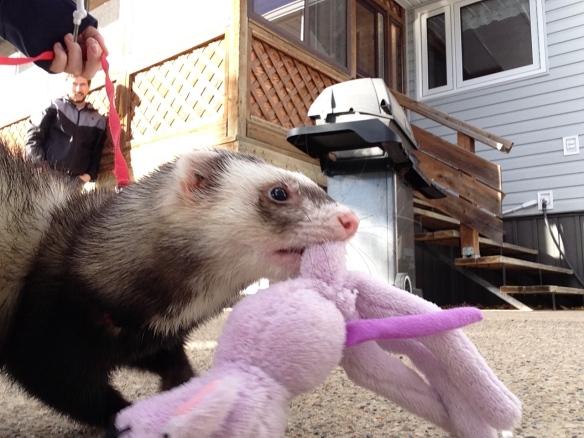
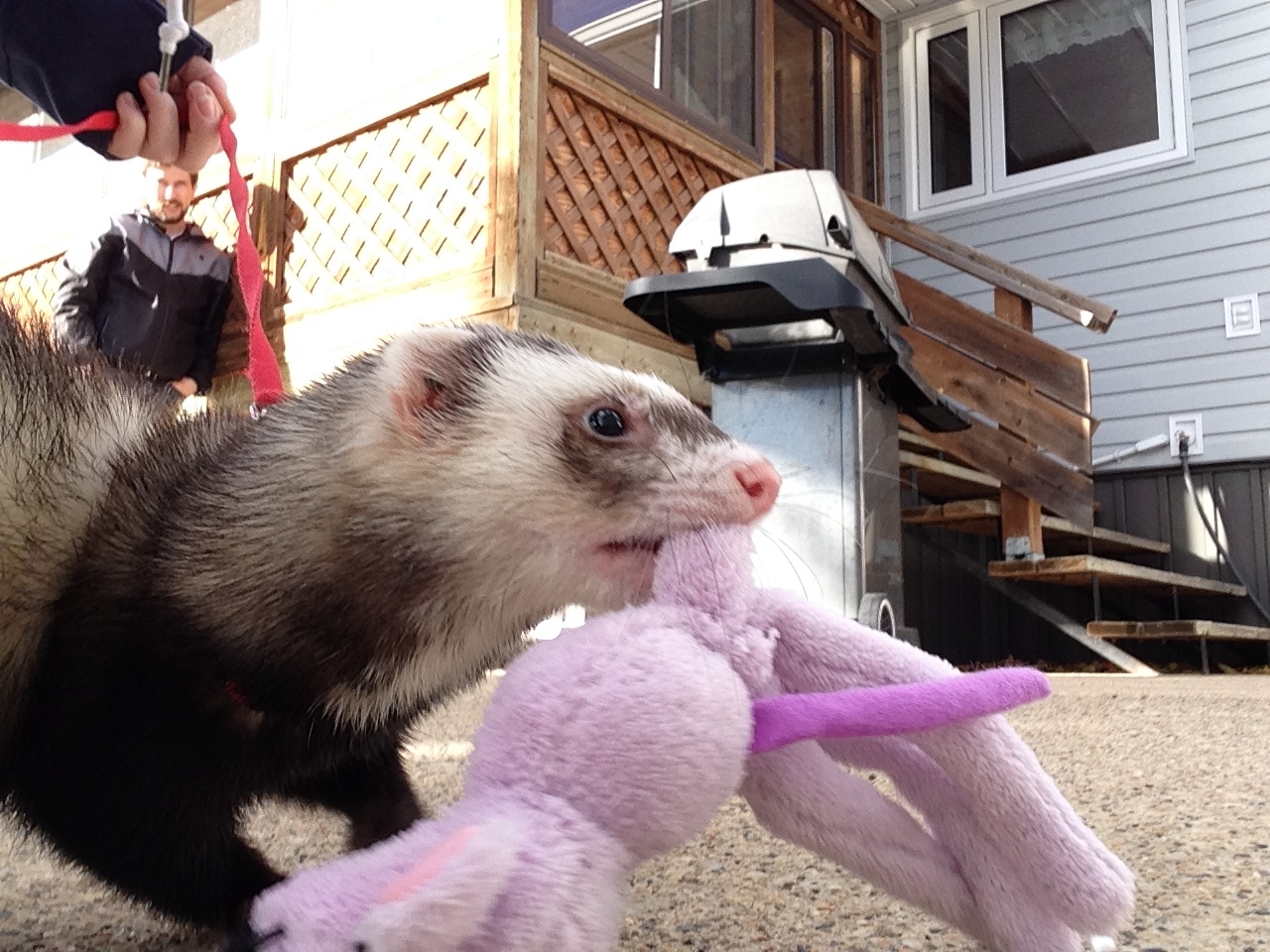
My middle LOVES teddies

Turnip taking his toy for a walk

5. Will you be able to provide constant supervision for your ferret as well as if you have young children ? Will you be able to help with the care of the ferret ?

Children, especially very young ones, have difficulty understanding how to properly treat animals. Small children have a tendency to pull, grab, squeeze and drop small animals without realizing they can hurt them. This can lead to injuries to the ferret, or the ferret may possibly nip the child out of fear.

6. Will it bother you or would you want want to get rid of the ferret if he/she gets into everything, damages a carpet by scratching, or goes to the bathroom on your carpet or on the floor ? (if the answer is YES, DO NOT get a ferret)

Ferrets like to hide things. If you leave items around such as the tv remote, shoes, socks, keys, kitchen items, etc where ferrets can reach them, the items will usually end up in their favourite hiding place. Be prepared for litter box accidents, drinks getting knocked over, potted plants being dug into, toys and other objects showing up under the couch or bed.

If a ferret with intact anal scent glands is very frightened, it can release a foul odor. However, unlike a skunk, the odor does not linger as long and it does not smell as bad.

7. Are you willing to make changes to your home to protect your ferret and your belongings ?

Ferret proofing your home is a must as there are many dangers that can be found within the home. Later we will post steps to ferret proofing your home.

8. Do you have other pets at home that your ferret may not get along with or that may be dangerous to them?

Ferrets can get along with some other domesticated pets, mainly cats and some breeds of dogs. It usually works best when they have been raised together. Please use extreme caution and constant supervision when introducing a ferret to another pet.

NEVER leave your ferret alone with birds, hamsters, gerbils, guinea pigs, mice, rats, rabbits, chinchillas or reptiles. Ferrets will usually consider them food.

The decision to adopt or purchase a ferret (or any other pet for that matter) should be a careful one. Ferrets do bond with their owners and become stressed when separated from them.
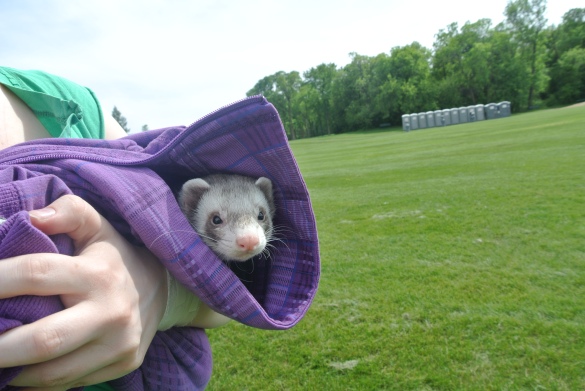
Sometimes the smells and noise of the outside becomes too much and ferrets need a quick cool down between walks

Radish taking a break

Always consider adopting a ferret from a ferret shelter.

Older ferrets are a good choice for first time ferret owners, as they are less hyperactive and may already be trained. Baby ferrets (kits) require a lot of training, patience and time from their owners. It’s best to think of it as a 6 to 10 year commitment. Don’t act impulsively.

Do your laws allow ferrets?

Ferrets are allowed in Manitoba and there is currently no limit on the number of ferrets you can own.

I swear they multiply

I swear they multiply

The first thing a prospective pet owner should do is check on the legality of the pet where they live. This will take some work to find out, and you should get verification by personally talking to the proper agencies that have jurisdiction over pet related laws in your area.

My advice would be to check the local level of government first – the city, town, or county where you live. This is often the level at which the most restrictive laws are enacted. Call your city hall or Fish and Game department, Department of Conservation or Wildlife. 

You can also call the humane society, animal shelter, or even veterinarians to get suggestions on whom you should check with on legal issues about your pets.

If your prospective pet is legal locally, I would still check at the state or provincial level. Many states and provinces may not have specific laws, but some (such as California) have strict and wide ranging laws. Call the state wildlife or natural resources department to check on possible restrictions.

You might also want to check Federal Law In the United States a United States Department of Agriculture (USDA) license might be required so contacting the nearest USDA office should be done. 

Laws vary tremendously by location so the hassle of finding out for sure if a pet is legal is a necessity. It is not entirely safe to assume that if an animal is found locally in a pet store or at a breeder it is legal – reputable stores and breeders don’t carry illegal pets but sometimes it can be difficult to know who is reputable.

Whether the laws are well founded or fair is often debatable, but regardless of this the laws exist and it is incumbent on pet owners to be aware of such laws. If a complaint is made about an illegal pet, these laws are often vigorously enforced and may result in confiscation and even euthanasia of your pet.

Laws pertaining to exotic pets range from local city by-laws to federal regulations. Many cities/towns and counties have laws regarding the number of pets, types of pets, and conditions under which certain pets can be kept. This usually includes dogs and cats as well as exotic species.

Unfortunately, exotic species are often prone to more restrictive laws. 

I have been doing research to see what laws we have in Canada pertaining to our furry friends. As far as I know we have none regarding the domestic ferret. 

We are allowed to have them in every province here. There is currently no limit on the number of ferrets you can own. 

The United States is sadly different however.

California, Hawaii and New York City are the major battlefields in the war against keeping ferrets as pets. 

In California and Hawaii, ferrets are classified as wildlife and outlawed as pets. 

In New York City, a Board of Health ruling in June 1999 placed ferrets in the same category of animals that are wild, ferocious, fierce, dangerous or naturally inclined to do harm, lumping them with tigers, lions, and elephants.

Don’t forget about traveling

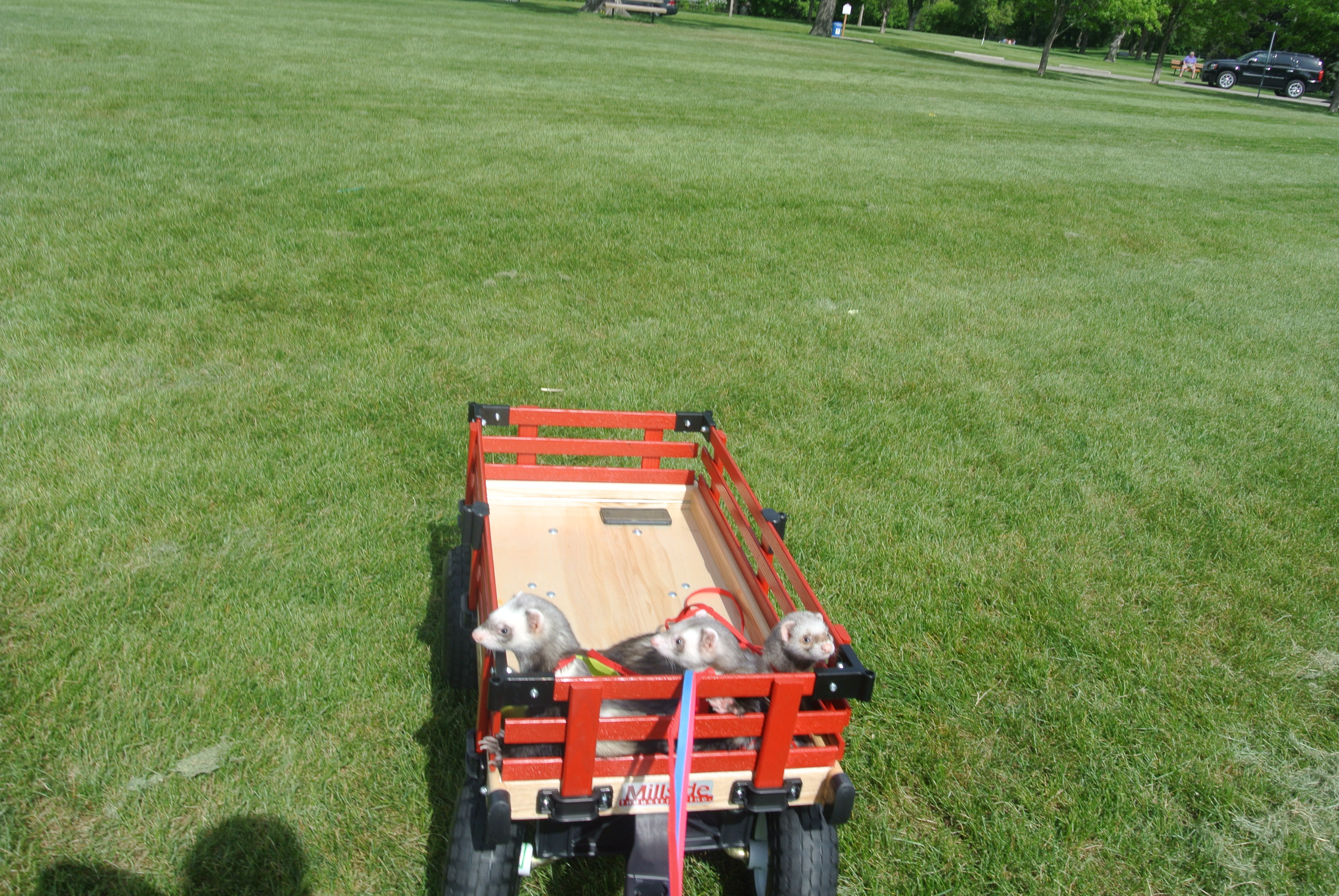
ferret wagon

ferret wagon

If it is illegal to have ferrets where you’ll be visiting, think twice about bringing them. Most laws apply to possession of the ferret and don’t care whether you live there or are just visiting.

How Can You Affect Ferret Laws?

Because ferrets are the third most popular companion animal in the United States. The key to changing ferret laws is to understand existing laws, educate people, and work to change laws. Start by examining the complete copy of the animal control code, and discuss the code with animal control and humane authorities. Then work to educate people, ferret partisans are working hard to defeat the last of what they consider arcane and unenforceable bans.

Australia – It is illegal to keep ferrets as pets in Queensland or the Northern Territory; in the ACT a licence is required.

Brazil – They are allowed only if they are given a microchip identification tag and sterilized.

New Zealand – It has been illegal to sell, distribute or breed ferrets in New Zealand since 2002 unless certain conditions are met.[35]

Portugal – It is illegal to keep ferrets as pets in Portugal. Ferrets can be used for hunting purposes only and can be kept only with a government permit.

United States – Ferrets were once banned in many US states, but most of these laws were rescinded in the 1980s and ’90s as they became popular pets. Ferrets are still illegal in California under Fish and Game Code Section 2118[36] and the California Code of Regulations,[37] although it is not illegal for veterinarians in the state to treat ferrets kept as pets. In November 1995, ferret proponents asked the California Fish and Game Commission to remove the domesticated ferret from the restrictive wildlife list. Additionally, “Ferrets are strictly prohibited as pets under Hawaii law because they are potential carriers of the rabies virus”;[38]

The territory of Puerto Rico has a similar law to Hawaii.[39] Ferrets are restricted by individual cities, such as Washington, DC, and New York City.[39] They are also prohibited on many military bases.[39] A permit to own a ferret is needed in other areas, including Rhode Island.[40]

Illinois and Georgia do not require a permit to merely possess a ferret, but a permit is required to breed ferrets.[41][42] It was once illegal to own ferrets in Dallas, Texas,[43] but the current Dallas City Code for Animals includes regulations for the vaccination of ferrets.[44]

Pet ferrets are legal in Wisconsin, however legality varies by municipality. The city of Oshkosh, for example, classifies ferrets as a wild animal and subsequently prohibits them from being kept within the city limits. Also, an import permit from the state department of agriculture is required to bring one into the state.[45]

Japan – In Hokkaido prefecture, ferrets must be registered with local government.[46] In other prefectures, no restrictions apply.